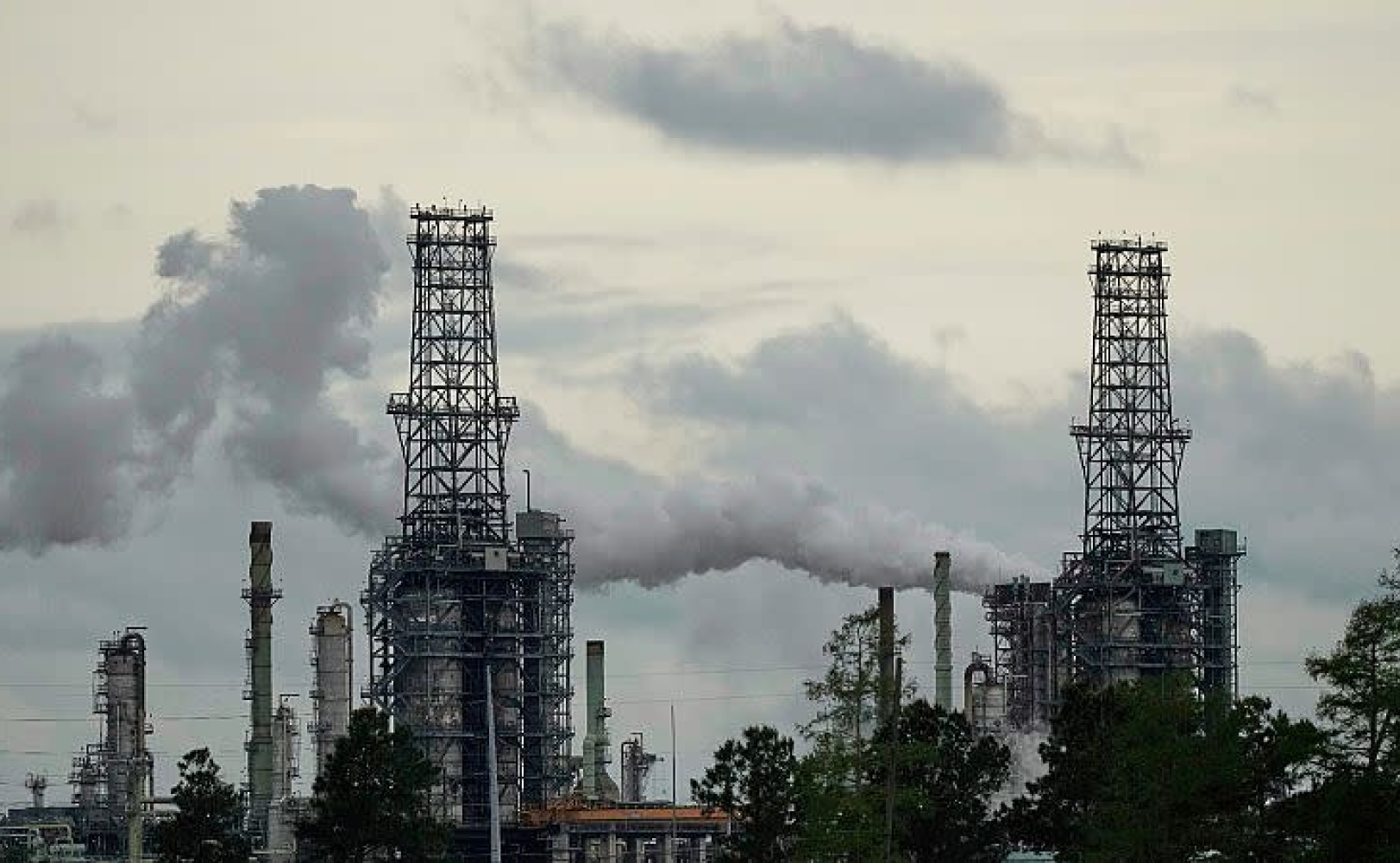
At the start of trading, US benchmark crude jumped nearly 8%, later stabilizing at a 5.9% gain to reach $71.00 per barrel. Brent crude climbed 6.2%, trading at $77.38 per barrel. Natural gas futures also advanced as energy markets absorbed the geopolitical risk.
Traders are increasingly concerned that oil supplies from Iran and other parts of the Middle East could slow down or even be disrupted entirely. Attacks in the region, including strikes on two vessels traveling through the Strait of Hormuz, have raised alarms about export capacity.
Roughly one-fifth of global oil and liquefied natural gas flows pass through the Strait of Hormuz, making it one of the most critical energy corridors in the world. Any sustained disruption in this route could send shockwaves across global markets. Analysts describe it as a central artery of the global energy system.
A prolonged conflict could push fuel prices higher worldwide, potentially reigniting inflation driven by rising energy costs. Energy remains a core input for production across industries, meaning extended supply interruptions would have far-reaching economic consequences.
Iran exports approximately 1.6 million barrels of oil per day, most of which goes to China. If Iranian exports are interrupted, Beijing may need to secure alternative supplies, adding further upward pressure on prices. However, China reportedly holds significant oil reserves, estimated at up to 1.5 billion barrels, and could increase imports from Russia to offset potential losses.
Markets had partly anticipated the escalation due to a visible buildup of US forces in the region. As a result, some traders had already adjusted their positions to account for heightened geopolitical risk.
Safe-haven assets reacted as well. Gold prices rose 2.4% to around $5,371 per ounce in early trading, reflecting increased uncertainty.
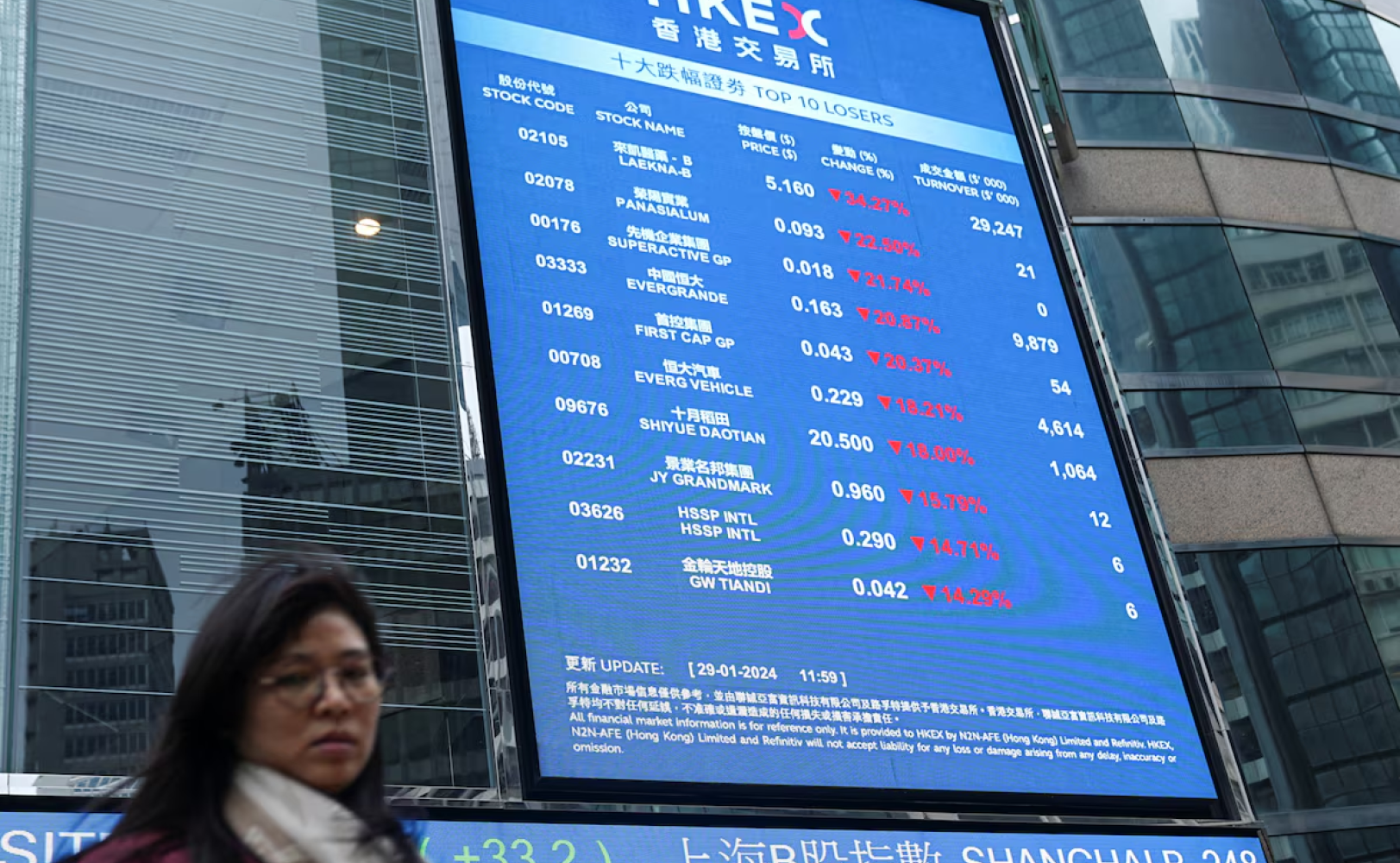
Equity markets showed weakness across the board. Futures for the S&P 500 and the Dow Jones Industrial Average fell roughly 0.8% during mid-morning trading in Bangkok. Asian markets also opened lower, with Japan’s Nikkei 225 initially dropping more than 2%. Hong Kong’s Hang Seng declined 1.6% to 26,215.91, while Shanghai’s Composite index remained flat at 4,163.01. Taiwan’s benchmark slipped 0.6%, Singapore fell 1.9%, Bangkok’s SET dropped 2.1%, and Australia’s S&P/ASX 200 edged down 0.3% to 9,173.50.
As tensions remain high, energy markets are expected to stay volatile, with investors closely monitoring developments in the Gulf region and any potential disruption to critical shipping routes.
A sharp escalation in the conflict is driving oil higher and weighing on global markets, as fears over the Strait of Hormuz intensify and investors seek safety in gold.