
A growing divide is emerging within the Republican Party as several key members signal opposition to Donald Trump’s proposed $1.5 trillion defense budget. The plan, which includes a 44% increase in Pentagon funding, is facing skepticism not only from Democrats but also from within Trump’s own party an unusual development that highlights shifting political dynamics as midterm elections approach.
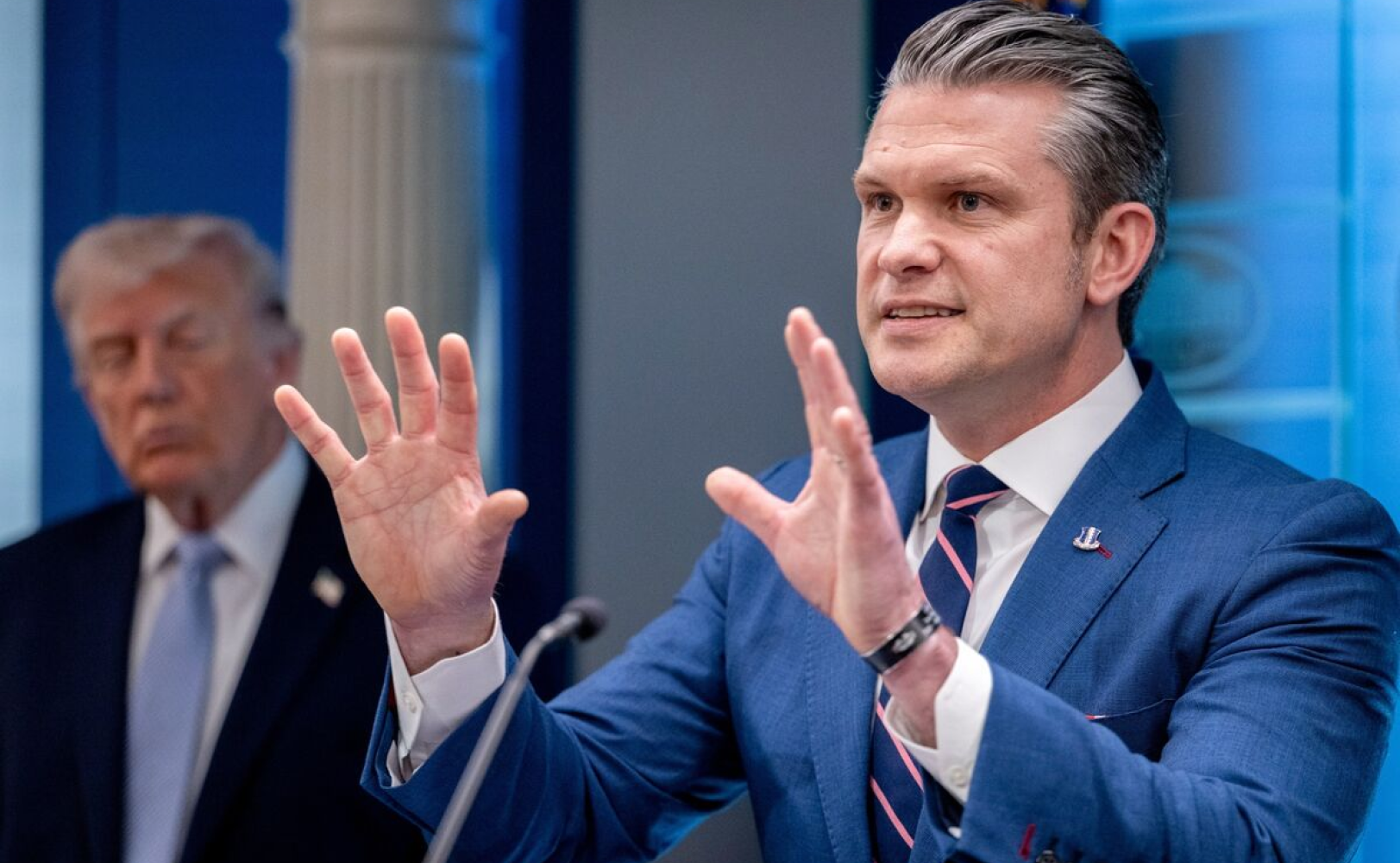
Defense Secretary Pete Hegseth is expected to present and defend the proposal before Congress, but early reactions suggest that approval will be far from straightforward. Lawmakers are increasingly focused on economic concerns, particularly the rising cost of living, and fear that such a large increase in military spending could come at the expense of domestic programs.
While some Republicans traditionally aligned with defense expansion support the proposal, others are questioning the lack of a clear strategy behind the additional $440 billion. Concerns center on how the funds would be allocated, with critics pointing out that no detailed plan has been presented to justify such a significant increase.
The Pentagon has indicated intentions to rebuild weapons stockpiles and accelerate production of key military equipment, including drones and counter-drone technologies. However, these initiatives account for only a portion of the proposed budget increase, leaving many lawmakers unconvinced.
There are also fears that a larger defense budget without strict oversight could lead to inefficiencies and misuse of funds. Past examples of excessive military spending continue to fuel skepticism, especially among fiscal conservatives who are demanding more transparency and accountability.
Democrats have largely dismissed the proposal outright, which means Republicans would need near-unanimous support within their own ranks to pass the measure. This is particularly challenging given internal disagreements and the limited political leverage Trump currently holds compared to earlier in his term.
Some lawmakers suggest that a more realistic approach would involve a smaller, targeted increase potentially around $50 billion focused specifically on current military operations. However, even this scaled-back option has yet to be formally proposed by the administration.
Market reactions reflect similar uncertainty. Major defense companies have seen significant declines in their stock values since early March, indicating investor doubt about the likelihood of such a large spending package being approved.
Overall, the debate around the defense budget underscores deeper tensions within the Republican Party and raises broader questions about fiscal priorities, military strategy, and political influence in Washington.