The global economy is facing a severe threat as the war involving Iran continues to escalate, according to the head of the International Energy Agency.
Fatih Birol warned that if the situation continues to deteriorate, no country will remain unaffected. The ongoing conflict in the Middle East is already having a broader and more intense impact than past energy crises, including the oil shocks of the 1970s and the disruptions caused by the Russia-Ukraine war.
Key sectors that support the global economy such as petrochemicals, fertilizers, sulfur, and helium are experiencing major disruptions, with trade in some cases nearly halted. This is creating significant pressure across multiple industries worldwide.
At the same time, oil prices continue to surge. US crude oil (WTI) has climbed above $100 per barrel, while Brent crude has exceeded $113, reflecting growing concerns over supply shortages and geopolitical instability.
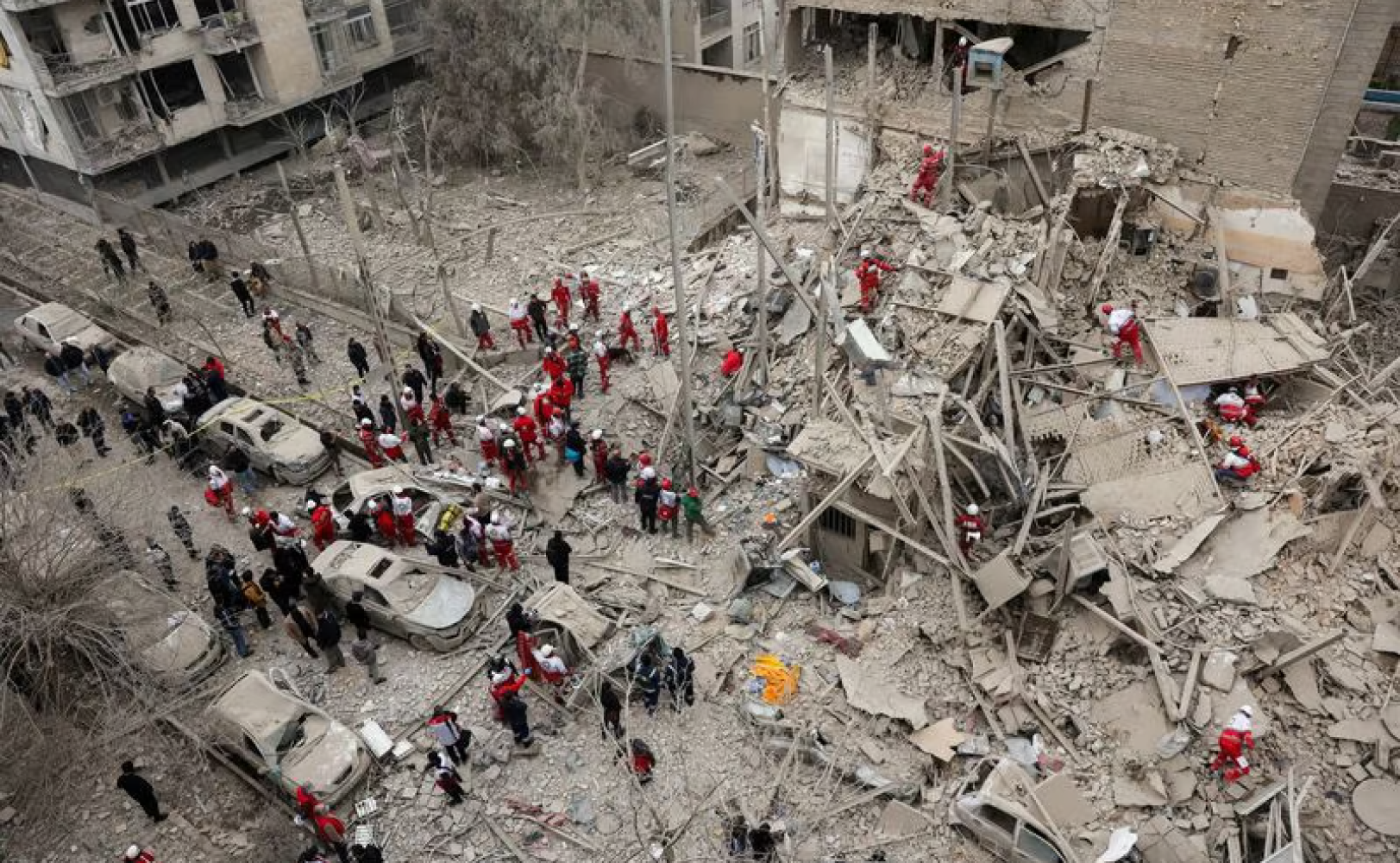
The conflict has already caused serious damage to energy infrastructure. Around 40 facilities across nine countries in the region have been reported as heavily damaged or destroyed, further tightening global supply chains.
Tensions remain high as military actions intensify. Israel has launched new strikes on Tehran, while Iran has threatened to target energy infrastructure across the Middle East if further escalation occurs.
Meanwhile, the strategic Strait of Hormuz remains a critical focal point. Iran’s control over the passage continues to raise concerns, as it is one of the world’s most important routes for oil transportation. The United States has issued a 48-hour ultimatum demanding the reopening of the waterway, warning of severe consequences if it remains blocked.
Authorities are now evaluating possible responses, including the release of strategic oil reserves to stabilize markets. However, decisions will depend on how the situation evolves in the coming days.
The overall outlook remains uncertain, with markets closely watching geopolitical developments that could further impact energy supply and global economic stability.