Apple Inc reported record quarterly revenue and issued a stronger-than-expected forecast for the current quarter, even as it cautioned that increasing component costs could pressure profit margins in the months ahead.
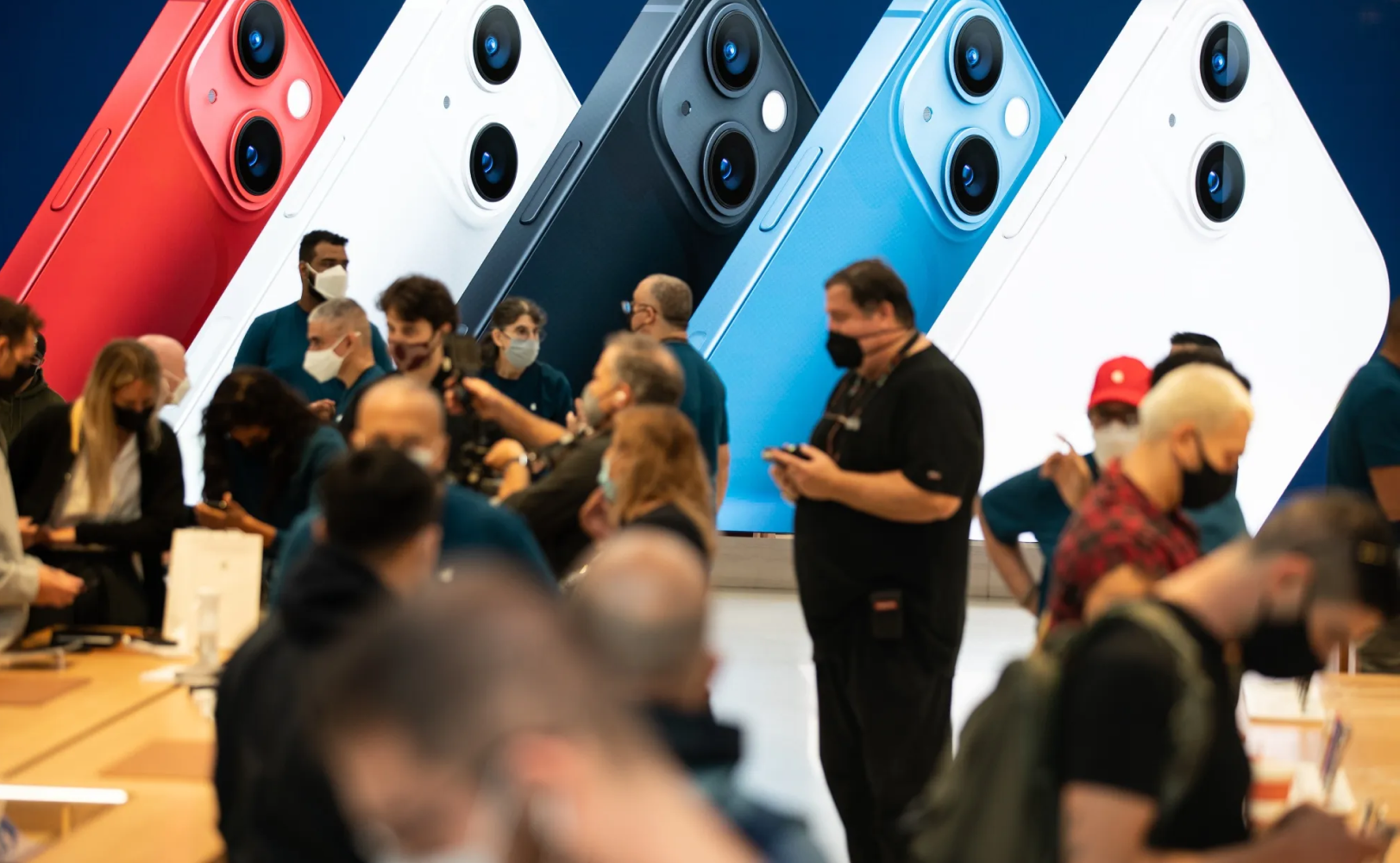
The company expects revenue to grow between 13% and 16% in the second quarter, outperforming market expectations of around 10%. This outlook reflects sustained demand for the latest iPhone generation, continued expansion in services, and a notable recovery in the Chinese market.
Despite the positive forecast, Apple acknowledged growing challenges on the cost side. Rising memory prices are expected to have a larger impact on gross margins compared to the previous quarter. In addition, the company is dealing with supply constraints related to advanced processors and limited availability of certain accessories.
These concerns tempered investor enthusiasm, with shares showing only modest movement following the earnings release. While Apple has delivered strong top-line growth, market participants remain cautious about how higher input costs and supply chain pressures could affect profitability.
During the holiday quarter, Apple recorded revenue of $143.8 billion, well above expectations and significantly higher than its own prior guidance. The iPhone was the main driver, delivering its strongest quarter ever, with particularly strong sales of higher-end models across all regions.
China played a key role in this performance, with revenue from the region surging year over year and exceeding analyst forecasts. Services also continued to perform well, reinforcing Apple’s strategy of diversifying beyond hardware.
However, not all segments delivered growth. Mac revenue declined compared to last year, and the wearables and accessories division remained under pressure. The company is also navigating broader strategic issues, including adjustments to its artificial intelligence roadmap and the financial impact of tariffs, which weighed on results during the quarter.
Apple recently regained its position as the world’s leading smartphone seller, overtaking Samsung Electronics Co. Maintaining this leadership, however, will depend on pricing decisions, innovation in future devices, and the company’s ability to manage costs while sustaining demand.